
By John “Magic” Greenleaf – “Growing greatness, one strain at a time.”
Introduction
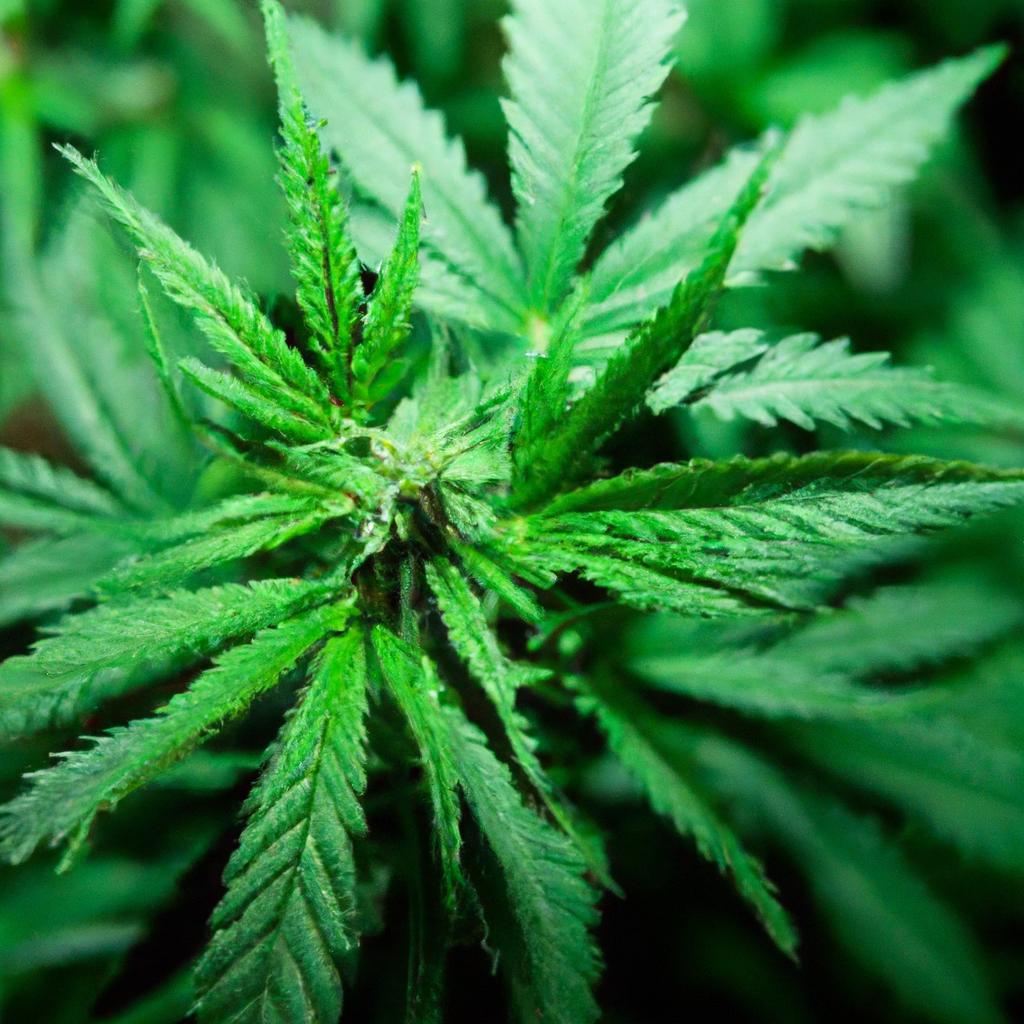
In the ever-evolving world of cannabis, understanding the environmental factors that contribute to the growth and development of this unique plant is crucial. Today, we explore the magical dance between cannabis and its environment, examining how growers can harness these elements to cultivate plants that are both resilient and potent.
Balancing Light and Darkness
Cannabis plants, like any other, thrive under a carefully controlled light cycle. The interplay of light and darkness dictates not only the speed of growth but the intensity of cannabinoid production as well. Here’s how to master this cosmic dance:
- Understanding Light Spectrums: Different light spectrums can trigger various plant responses. Blue light fosters vegetative growth, while red light encourages flowering. Use full-spectrum LED lights to mimic the natural sunlight cycle for indoor growing.
- Photoperiod Control: Most cannabis strains require at least 12 hours of darkness to initiate flowering. Adjust light schedules to stimulate flowering when ready.
The Role of Air and Climate
Colorado’s high-altitude, arid climate can present both challenges and opportunities for cannabis cultivation. Here are some techniques to leverage these environmental elements:
- Altitude Effects: Higher altitudes can mean more UV exposure, promoting increased resin and cannabinoid production. However, these conditions can also lead to stress. Monitor plant reactions closely and adjust irrigation and nutrient levels accordingly.
- Temperature Management: Ideal temperature varies depending on the growth stage—keep it around 70-85°F during vegetative growth and slightly cooler during flowering to enhance terpene and resin production.
Watering Wisdom and Efficiency
Water, a basic yet vital element, must be managed wisely to prevent stress and diseases while promoting robust growth. Learn to optimize watering practices:
- Drip Irrigation Systems: Save up to 40% more water compared to conventional methods. These systems deliver precise amounts of water directly to the roots, enhancing efficiency and reducing waste.
- Moisture Retention Techniques: Use organic soil with high moisture-retention capabilities, complemented with mulching to preserve soil humidity.
Conclusion
The magic of cannabis lies not just in the plant itself but in its harmonious relationship with its environment. By understanding and manipulating key environmental factors such as light, air, and water, growers can unlock the fullest potential of their cannabis strains. Embrace the wisdom of nature and you’ll find that the path to potency is as much about nurturing the plant as it is about nurturing your knowledge. Remember, “Healthy roots, healthy buds, happy harvests!”


Leave a Reply